Help shape the Hub’s next chapter
We are evaluating eight years of the Humanity Hub, and we want your perspective. No more than five minutes, open until 23 October.
Take the survey2 October, 2026
Peace and justice are as strong as the people willing to stand up for them: my reflections on the Just Peace Open Day

On September 20, I spent the day exploring several of The Hague’s peace and justice institutions through the Just Peace Open Day.
The organisations I visited were built on an ambitious idea: that countries and people could resolve their differences through law, cooperation and dialogue, rather than violence. Throughout the day one thing became increasingly clear: peace and justice are not outcomes, they are actions. The ideals behind them may be difficult to realise, but there are still people doing the work: answering hard questions, handling difficult cases, supporting people at risk and trying to make these ideals work in practice.
My day began at the Peace Palace, a building that itself feels like a mosaic of the world. An Ottoman carpet, Chinese vases, British stained-glass windows. This amalgamation of ornaments feels particularly fitting for what the Peace Palace was built to represent: international cooperation.
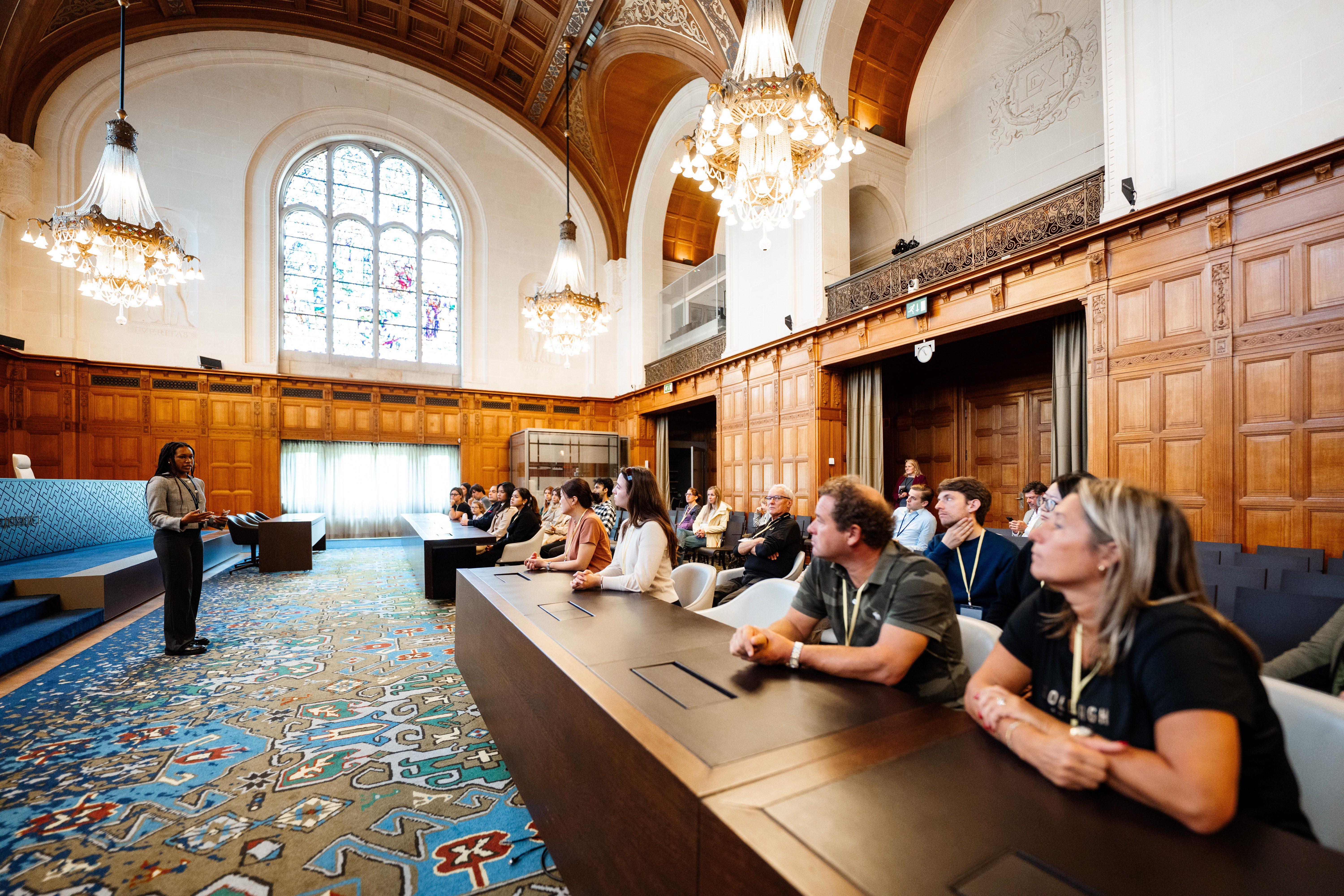
Looking at the building today, the optimism behind that idea is striking. Construction began in 1907, during the second Hague Peace Conference, at a time when international cooperation was still a relatively new and ambitious project. Knowing what was to come in the decades that followed, that optimism feels almost naïve. Yet it is still there, built into the walls, carpets and the stained-glass windows.
Inside the courtroom of the International Court of Justice (ICJ), a panel of independent judges usually convenes to settle disputes between states. At the centre of the large painting on the wall (a gift from France) stands Eirene, the goddess of peace, between two opposing warriors and judges above them. The whole room is filled with artwork and symbolism that confronts you with war and its consequences.
My next stop was the International Criminal Court (ICC), a little outside the city centre. The building houses the Court itself, as well as a small exhibition for visitors showcasing the stories of people affected by its work. Unlike the ICJ, the ICC tries individual perpetrators accused of genocide, war crimes, crimes against humanity and the crime of aggression, and gives victims a voice in its proceedings. It is the world’s only international criminal court, with over 120 countries party to it.
After having time to explore the exhibition, the Q&A took place in the visitors’ gallery of Courtroom 1, looking down into the room where some of the individuals accused of the world’s gravest crimes have faced justice.
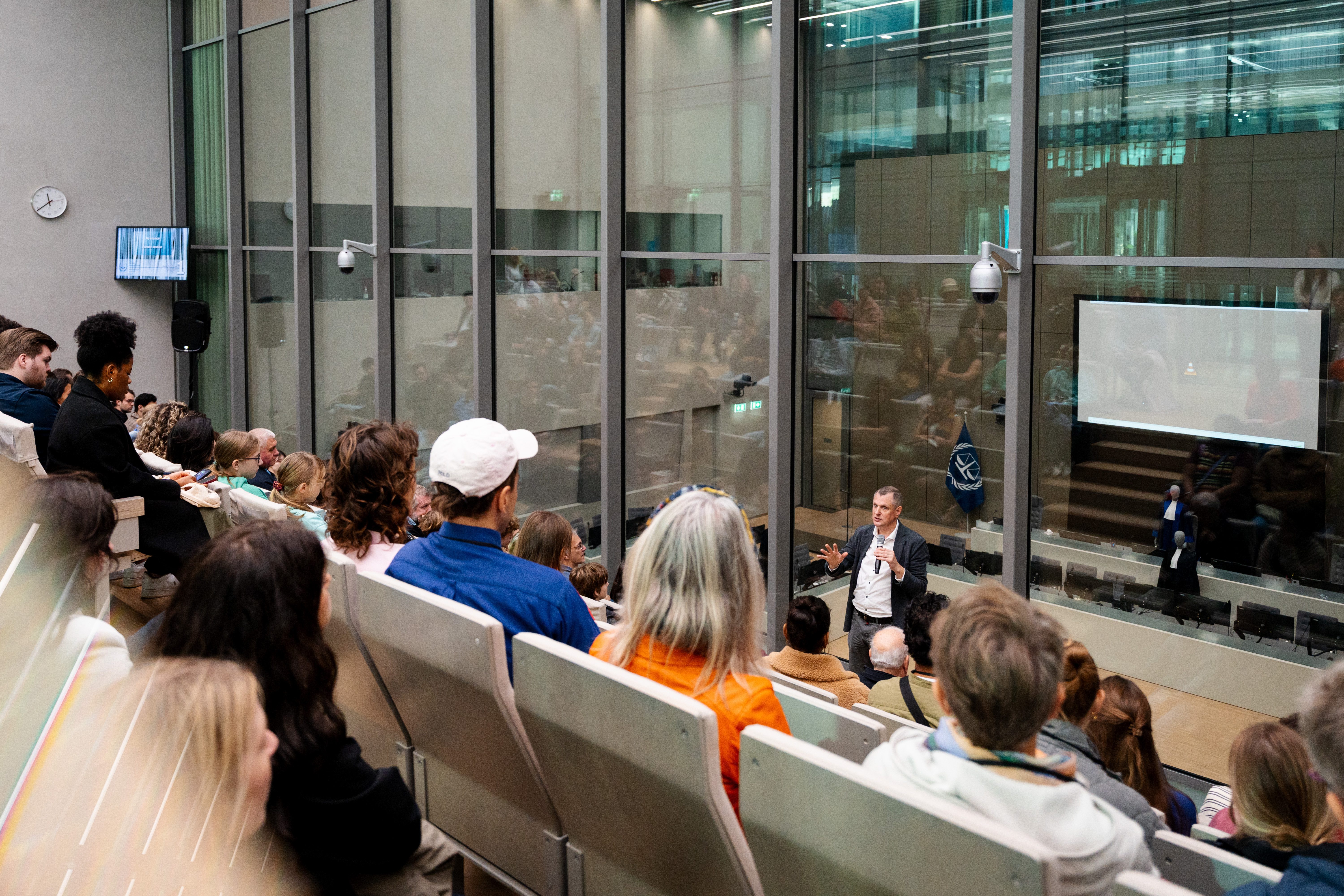
The questions people asked were probing, critical, and deeply engaged. They were not simply asking what the ICC does. They were asking how an institution like this can maintain its relevance and legitimacy today, what happens when states don’t follow through with arrest warrants, what responsibilities states have, and what happens when they do not cooperate. Difficult, but valid questions.
Hearing the Court’s Public Information Officer answer these challenging questions, I found myself thinking less about the ICC as an institution, and more about the people behind it. People working at the ICC deal with horrific crimes and with cases that can take years to progress. It is not easy work, and much of it happens far from public view. Yet, there is a conviction that this is work that needs to be done, because there are victims whose voices need to be heard.
My final stop of the day zoomed in further on what defending human rights can look like on an individual level.
At the offices of Justice & Peace, we heard from Victoria Capriles, a Venezuelan human rights defender who has spent the past year in the Netherlands through Shelter City. Shelter City is a programme by Justice & Peace as a ‘concrete and accessible’ way to support human rights defenders at risk, providing temporary relocation that gives them safety, support, and engagement with allies. Victoria is now preparing to return home.
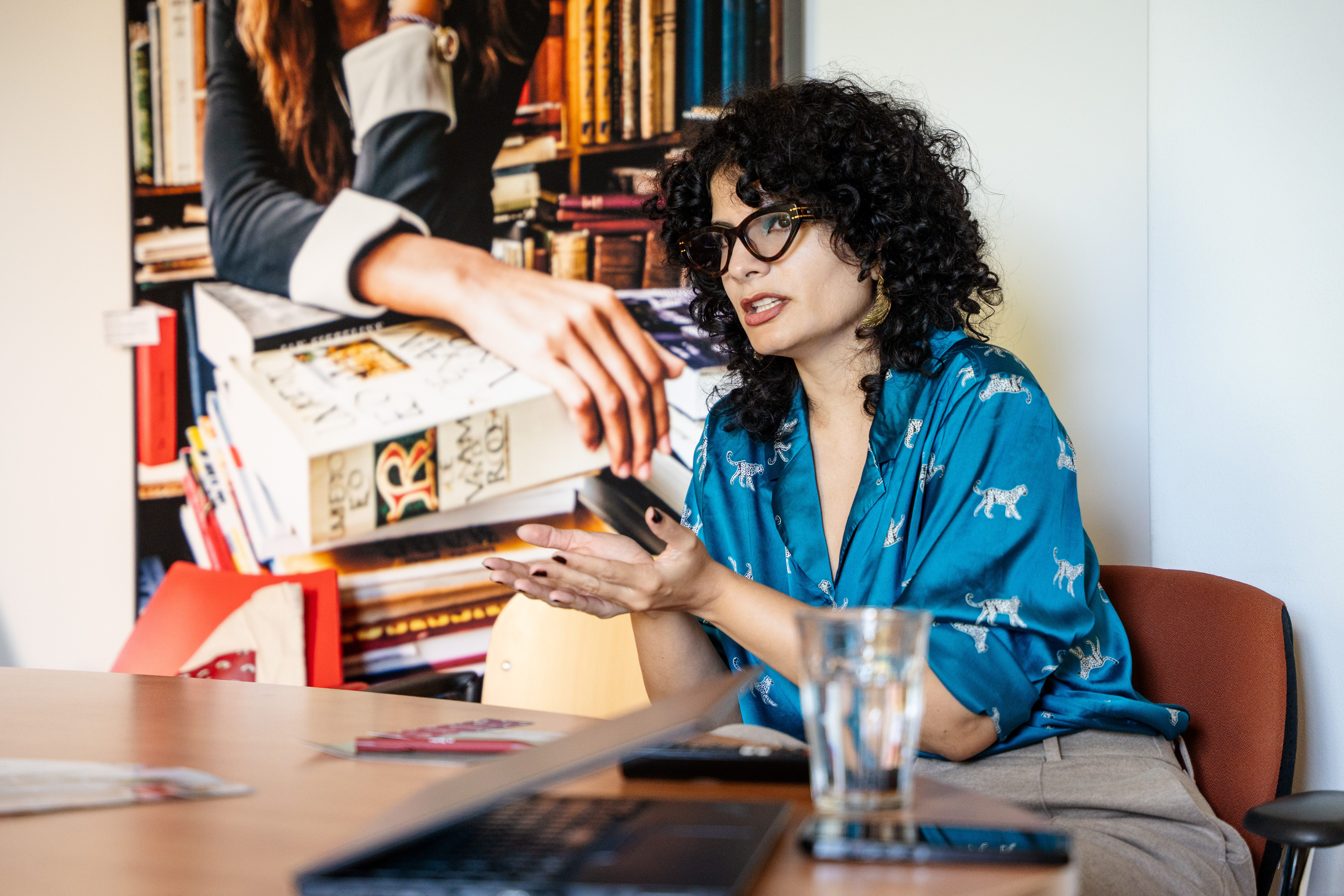
She spoke about the difficult political moment we are in, including democratic backsliding and the increasingly hostile environment in which human rights defenders are working. And yet she also spoke about how motivated she is to know there are others out there fighting for the same goals.
That Sunday afternoon, she reflected on what the program has meant to her, and more broadly, what being a ‘human rights defender’ actually looks like in practice. You don’t have to be an ICC judge to contribute to human rights. Victoria spoke about the people who work towards peace and justice in less visible ways: someone working in a municipality, allocating a budget or creating a programme; someone providing shelter and support; someone organising, mobilising others, using their voice and advocating for what they believe is right.
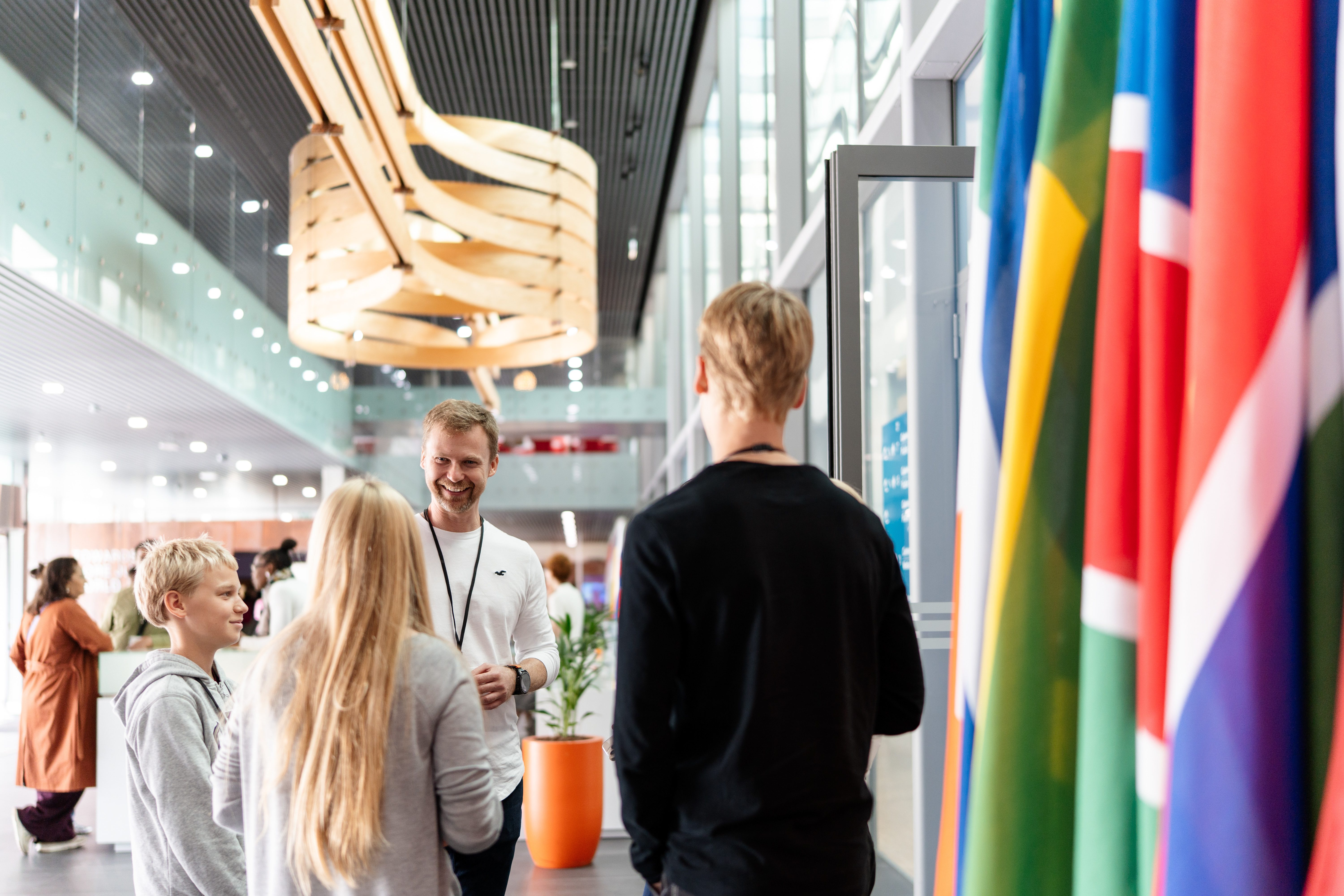
The institutions I visited were built around ambitious ideas of peace, justice, international law, and the belief that countries can find alternatives to conflict. Looking at them today, those ambitions can feel distant. The Open Day shifted my attention from whether these institutions have achieved these ideals, and towards the people working within them. The judges, public servants, human rights defenders, municipal workers and organisers I heard from are dealing with different parts of the same problem. Much of the work is slow, difficult and imperfect. But it is happening.
On the eve of the International Day of Peace, that much was clear: peace is not something we simply commemorate one day a year. It is something people work towards every day.
Photography by our mediapartner Holland Park Media.
Authored by Naomi Suchland
