Help shape the Hub’s next chapter
We are evaluating eight years of the Humanity Hub, and we want your perspective. No more than five minutes, open until 23 October.
Take the survey1 July, 2026
Three professionals from different backgrounds shared their career and life stories, as well as their experiences working on creating a kinder, more sustainable and just world.

As part of Ready to Engage: Pathways to Climate Justice, a two-month programme for around 20 young people wanting to meaningfully contribute to climate justice, professionals were asked to join for a Handshake, share their expertise and walk the cohort through their career journeys, field developments, and the key skills needed to enter the impact-driven world. These conversations arrived at very different questions yet converged on the same essential insight: what it truly means to want to change things for the better.
“This system must change. That’s all. That is my life mission.”
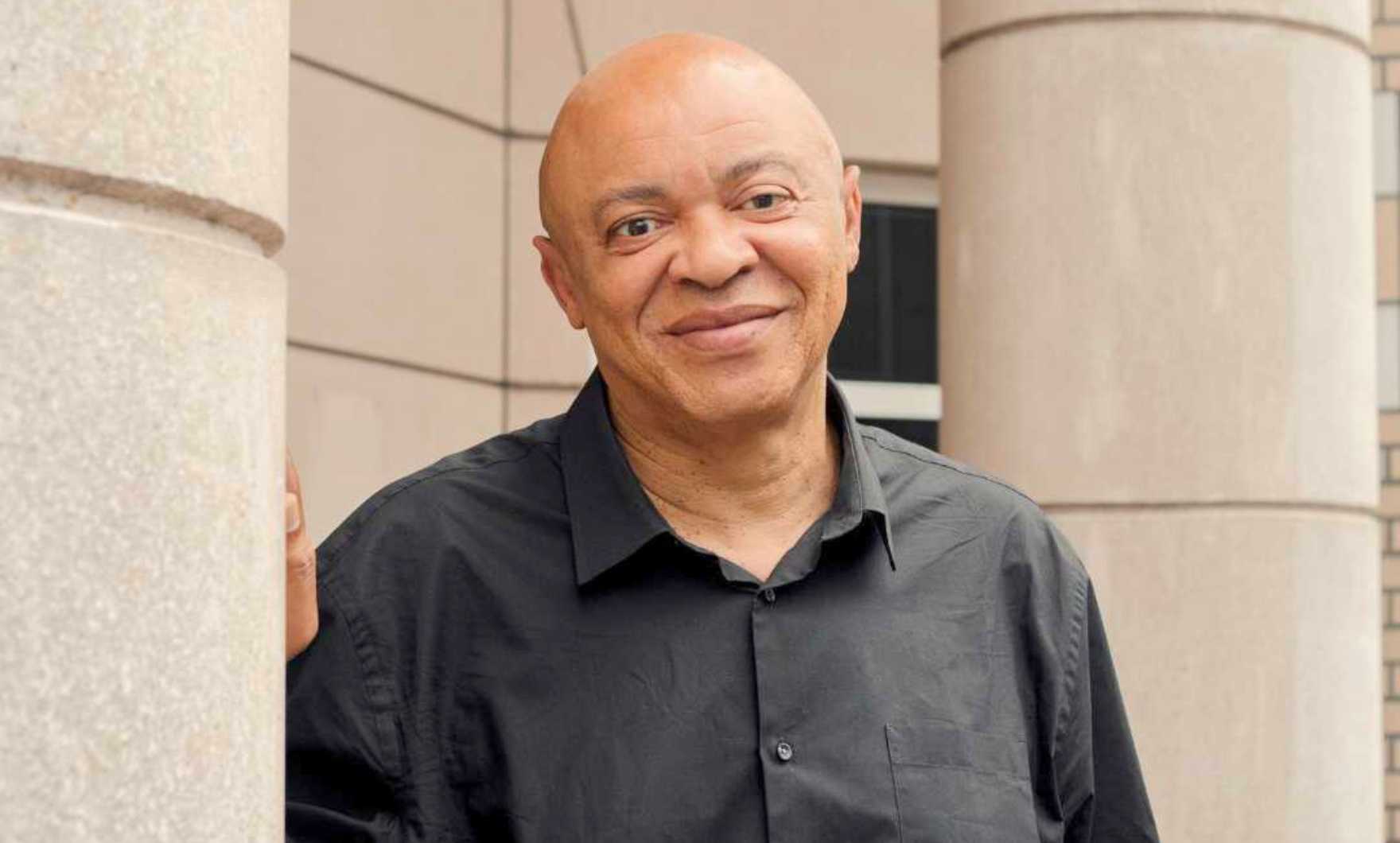 Max opened the conversation by describing what it was like to witness the world’s inequalities with such clarity and how the global system can be changed from the roots.
The structural issue of African poverty led him to found Equal Trade Alliance. He envisions a radically equal global economy: one that eliminates poverty, balances wealth distribution, and dismantles exploitative trade models. This shift would empower resource-rich nations to boost local employment, increase tax revenues, and drive true innovation.
The Ready to Engage participants learned how African raw materials have fueled billions in wealth for Western economies, yet the farmers and states who produce them see only a sliver of that value — the lion’s share absorbed by manufacturers, retailers, and middlemen along the way.
The structural problems underlying sustainability, climate justice, and human rights were no longer abstract. Max had named them, traced them to their roots, and made them impossible to look away from. The question was no longer what was broken, but what do we build instead?
“If we can build it, then it exists”
A background in communication sciences and a restlessness with corporate life led him to launch Polycentric, a consultancy placing the human factor at the heart of the Dutch energy transition.
The Ready to Engage participants discovered what polycentric thinking actually means in practice: no single actor, institution, or perspective can solve systemic challenges alone. A company’s view is as valuable as a citizen’s one, but only if we are genuinely willing to sit with all of them at once, rather than letting the loudest or wealthiest voice set the direction.
Serge was clear that energy transition framed purely as a technology fix will always fall short. The real work is distributive, procedural, and restorative. This ensures that costs and benefits are shared fairly, that decision-making is transparent, and that those most affected are not simply consulted as a formality but recognised as essential to the process.
But how can you cope with the challenges when the system you’re trying to change starts to take its toll on a personal level, not just professionally?
“I am choosing what I have, and I can always choose differently”
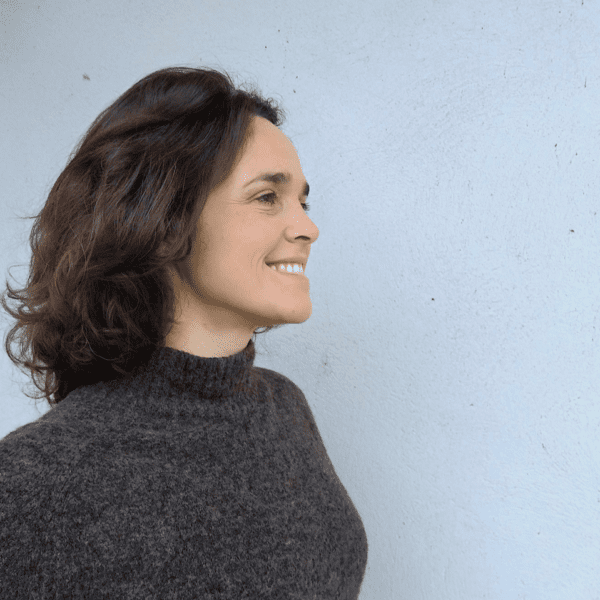
Laura’s path to founding The Alternatives Factory was anything but straight. She began as a soil engineer, volunteered at the Red Cross, spent twelve years at the World Food Programme, and later worked at the International Labour Organization working on issues of child labour and modern slavery. Each chapter brought her closer to the question she has been asking all along: what difference am I actually making, and why me?
The participants heard what it costs to spend decades inside institutions built to change the world and what it takes to walk away from them. For Laura, that break came with the slow, difficult work of understanding why someone who never stopped moving had also never stopped hurting.
What she built on the other side was smaller, freer, and entirely her own. The Alternatives Factory does what it promises: it helps people find alternatives to the way projects are measured, to the way impact is defined, to the assumption that scale always means progress. Her tools are coaching, project monitoring and evaluation, and a deep belief that asking the right question matters more than having the right answer.
Her message to the next generation was not reassurance but kind honesty. The path is not linear. The financial pressure is real. The mental toll will happen. But so will the agency that comes when you stop being a cog and start being the reason change happens.