
Bijay Dhungana | Windle International Netherlands

Humans of the Hub
Bijay Dhungana shares how Windle International Netherlands is using practical digital tools to help refugees continue their education and rebuild their professional paths
27 January, 2026
Humans of the Hub takes you beyond the logos and formal titles to introduce you to the passionate people who form this unique community. It’s not just about the projects or institutions, it’s about the humans who dedicate themselves to peace and justice.

“We’re working towards establishing an international anti-corruption court, which is a huge undertaking that requires airtight founding documents, global political support, and civil society backing.”
Sophie Kloos
Managing Director, III Europe
When I first moved to the Netherlands, I kept hearing about the Humanity Hub. Later, when I joined III Europe, it felt natural to work from here. Our organisation is registered at the Hub, and our board members Diana Eggleston and Jill Wilkinson, our donors, and many of our partner organisations pass through these doors.
I’m only here one day a week, so at first I thought I’d be the odd one out. But that changed quickly. We organised an event for the Just Peace Festival, collaborated on the Just Peace Movie Nights, and joined a HagueTalks on corruption. Here I’m not merely a visitor, I am part of a community. In Amsterdam, I go to my usual coworking space. But when I come to the Hub, I break my routine. I forget my long to‑do list, I open up, and I meet people I wouldn’t otherwise cross paths with.
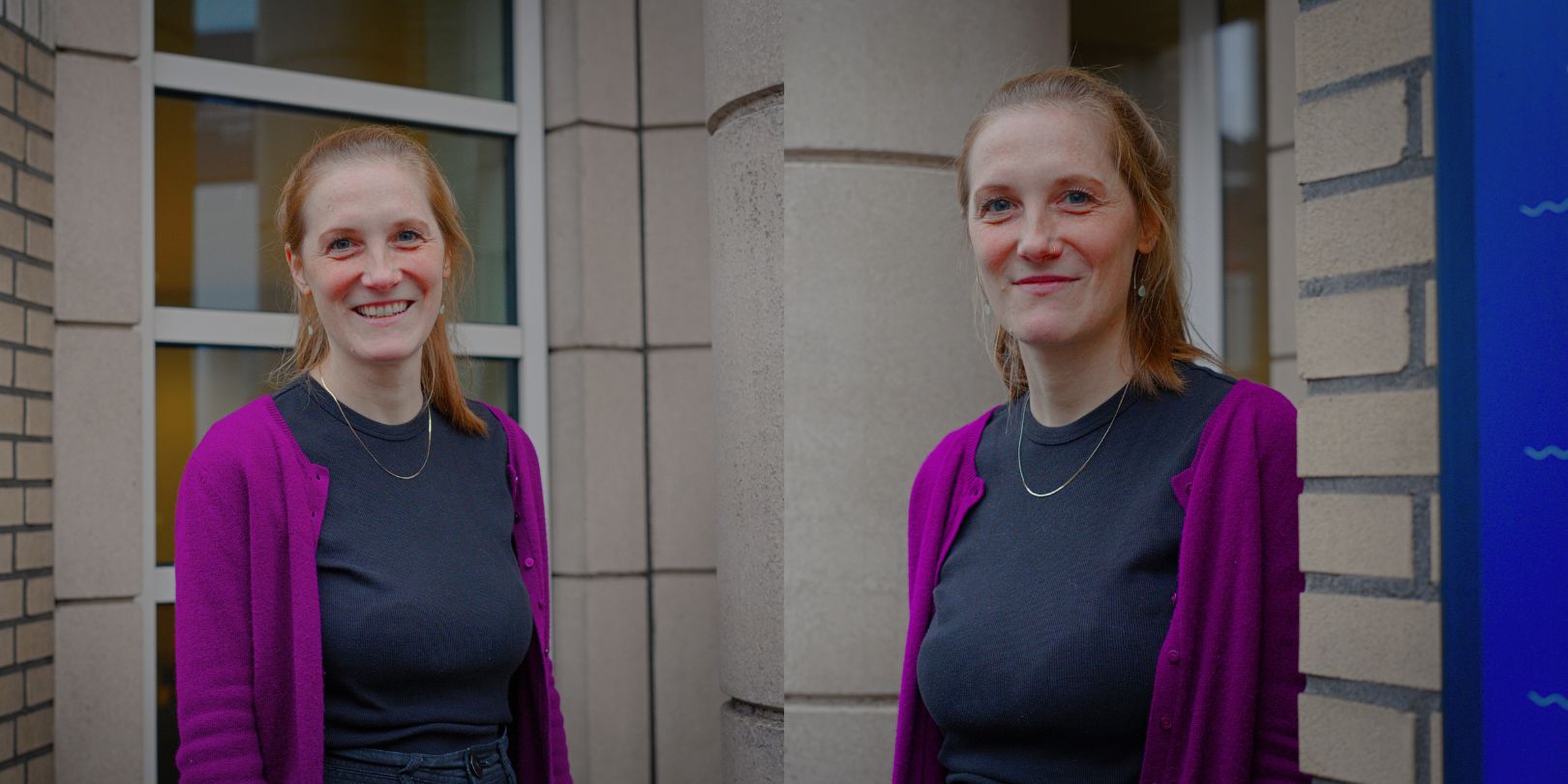
III Europe is bold and ambitious. We’re working towards establishing an international anti‑corruption court, which is a huge undertaking that requires airtight founding documents, global political support, and civil society backing.
We’re tiny but incredibly efficient. I’m the only staff member in Europe, and our sister organisation in the US is equally lean. The campaign has already been endorsed by 350 world leaders – former heads of state, Nobel Prize laureates – and six governments have publicly declared their support, and two dozen more have shown serious interest to us.
“We’re reimagining what a modern, state-of-the-art international court could look like today. Leaner, more innovative, more responsive to global needs.”
Our draft treaty is designed by 100 lawyers, judges, and experts from around the world, all working pro bono. That level of commitment is extraordinary.
We’re building on 25 years of experience with the ICC and other international courts, but we’re also reimagining what a modern, state‑of‑the‑art international court could look like today. Leaner, more innovative, more responsive to global needs.
Being at the Hub helps enormously. Civil society played a crucial role in establishing the ICC, and the Hub brings together exactly the kind of organisations that understand what’s needed on the ground.
“Corruption is growing and increasingly intertwined with authoritarianism, democratic backsliding, climate degradation, and weakened environmental protections. It’s a global phenomenon.”
International courts haven’t had the best press recently and some states have little appetite for tackling corruption. That makes it a difficult moment to advocate for a new court.
But it’s also more important than ever. Corruption is growing and increasingly intertwined with authoritarianism, democratic backsliding, climate degradation, and weakened environmental protections. It’s a global phenomenon.
Existing legal mechanisms often fail in implementation. Some states are unwilling to enforce them; others lack the mandate or capacity to investigate complex, cross‑border corruption cases. Our court would complement what already exists.
“Do we need a permanent building? Maybe not. Could hearings rotate across courtrooms worldwide? Possibly. Do we need permanent judges? Not necessarily.”
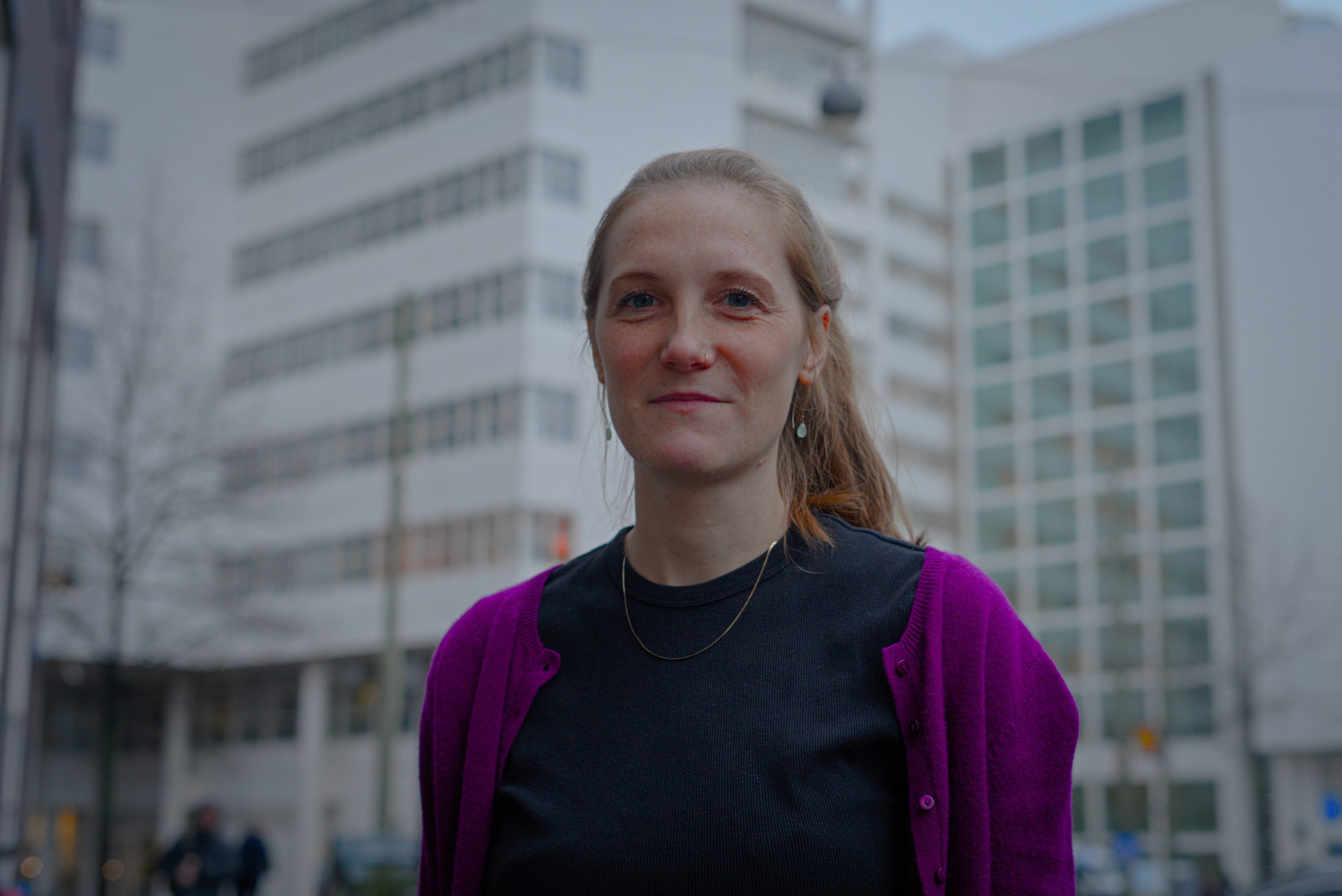
We’re also learning from past institutions: how to be leaner, more efficient, and more innovative. Do we need a permanent building? Maybe not. Could hearings rotate across courtrooms worldwide? Possibly. Do we need permanent judges? Not necessarily.
And let’s not forget: fighting corruption can be financially self‑sustaining. Recovering stolen assets is not just morally right; it’s economically smart.
Seeing the peace and justice ecosystem up close, meeting people face to face who are shaping international law and policy. I wish I had more time to explore the city and the beach, though.
To keep in touch and be the first to achieve updates about the International Anti-Corruption Court (IACC) and the work of III Europe, sign up to their quarterly newsletter.
Subscribe to III Europe newsletterFollow on LinkedIn, donate to their cause, and check out their website.
—
The Hague Humanity Hub is at the heart of a thriving community dedicated to strengthening peace and justice. That’s what you read on our website, in our newsletter, and on our socials. But who are the individuals behind the organisations? Behind the initiatives, the research, and the actions striving for a more just and peaceful world?
Humans of the Hub takes you beyond the logos and formal titles to introduce you to the passionate people who form this unique community. It’s not just about the projects or institutions, it’s about the humans who dedicate themselves to peace and justice.
MORE HUMANS OF THE HUB
Bijay Dhungana shares how Windle International Netherlands is using practical digital tools to help refugees continue their education and rebuild their professional paths

From Kentucky to The Hague, Hannah’s journey is rooted in a belief that democracy should be inclusive, everyday, and everywhere, not just in government halls.

Augaly S. Kiedi, from Avenue Consultancy, helps innovators overcome funding barriers and turn ideas into impact.

Mohamed shares how Olivscent supports refugee artisans and fosters understanding across cultures through soap.